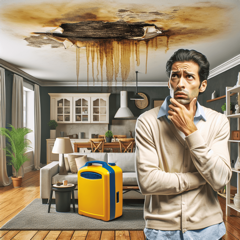
Water damage is one of the most challenging issues homeowners can face. It can occur suddenly and often goes unnoticed until it causes significant problems. Knowing how to identify water damage early and understanding the different types of water can help you manage the situation effectively. Here are some professional tips to help you spot water damage in your home and the steps to take if you do find it.
1. How to Detect Water Damage Early
Detecting water damage early can prevent extensive repairs and health issues. Here’s what to look for:
- Water Stains: Look for yellowish or brown stains on ceilings, walls, and floors. These stains often indicate hidden leaks.
- Mold and Mildew: Musty odors and visible mold growth are clear signs of moisture problems. Check areas prone to dampness, like bathrooms and basements.
- Warped or Bubbling Walls and Floors: If your walls or floors appear warped, bubbled, or swollen, it might be due to water damage.
- Peeling Paint or Wallpaper: Moisture behind paint or wallpaper can cause these materials to peel away.
- Increased Utility Bills: Unexpectedly high water bills could signal a leak or water issue.
2. Understanding Water Classifications
According to the ANSI/IICRC S500 Standard, water damage is categorized into three types. Each classification requires a specific approach to water damage cleanup:
- Category 1 - Clean Water: This is water from a clean source, such as a broken water supply line. While it's the least hazardous, it should still be addressed quickly to prevent escalation.
- Category 2 - Gray Water: This water contains contaminants and can cause illness if ingested. Sources include washing machines and dishwashers.
- Category 3 - Black Water: This highly contaminated water poses serious health risks. It includes sewage and floodwater and requires immediate, professional intervention.
3. What to Do If You Discover Water Damage
If you find water damage, act quickly to minimize the impact. Follow these steps:
- Stop the Source: Turn off the main water supply to stop further damage. If you’re unable to do this yourself, call a professional for help.
- Remove Standing Water: Use water extraction services to remove any standing water. This step is crucial to prevent further damage and mold growth.
- Dry the Area: Apply applied structural drying techniques to thoroughly dry affected areas. Dehumidifiers and air movers are essential for effective drying.
- Inspect for Mold: Check for signs of mold growth, which can start within 24-48 hours of water damage. Professional inspection might be necessary.
- Document Damage: Take photos and make notes of the damage for insurance claims and restoration purposes.
4. Why Professional Help is Essential
While some minor water damage can be managed independently, significant damage or extensive flooding typically requires professional assistance. Rytech Restoration of Southern Hillsborough offers professional services, including:
- Moisture Detection: Advanced tools to find hidden moisture that could lead to long-term issues.
- Water Damage Restoration: Comprehensive solutions to help mitigate your property’s damaged state.
- Flood Damage Cleanup: Specialized techniques to handle severe water damage from flooding.
- 24-Hour Emergency Restoration: Immediate support to address urgent water damage issues.
- Residential Restoration Services: Tailored services to meet the needs of your home.
For reliable and efficient water damage restoration and repair, contact Rytech Restoration of Southern Hillsborough at 813-474-7779. Their team is ready to provide top-notch water extraction services and help you through every step of the restoration process.
5. Preventing Future Water Damage
After managing the immediate damage, take steps to reduce the risk of future water problems:
- Regular Inspections: Periodically check pipes, roofs, and gutters for leaks and damage.
- Moisture Detectors: Install these devices to alert you to moisture issues before they become serious problems.
- Improve Drainage: Ensure that your property has proper drainage to prevent water accumulation around the foundation.
Conclusion
By staying vigilant and understanding the signs of water damage, you can take proactive steps to protect your home. Knowing how to handle different types of water and when to call for professional help is crucial in managing water damage effectively. For professional water damage cleanup and property damage restoration, remember to reach out to Rytech Restoration of Southern Hillsborough at 813-474-7779 for prompt and professional assistance.
Stay prepared and informed to keep your home safe from water damage!


